
Pain is a Chisel
Do you really want to avoid all pain?
Michelangelo’s David is widely considered the most famous sculpture in the world. Representing the biblical hero before his battle with Goliath, the statue was carved from a single marble block between 1501 and 1504. It has come to symbolize strength, independence, and artistic genius.
“That’s interesting, Danny,” I hear you say, “How was it made?”
I’m glad you asked.
Michelangelo sculpted David from a single 17-foot block of white Carrara marble, which had previously been dismissed as “unworkable” due to its narrow, flawed, and brittle nature. Using a freehand technique, he chiseled from front to back, working to “liberate” the figure within. Michelangelo primarily on a hammer, chisels, and a drill to create deep, detailed, and polished lifelike forms.
Read that again: David was made with a hammer, chisels and a drill. Those tools transformed what was once considered unusable into a masterpiece. Without them, the beauty we now admire would have remained hidden.
I can’t help but think about the tools that have shaped my own life—the “hammers”, “chisels”, and “drills” that have refined this flawed and brittle vessel into something capable of revealing beauty and purpose. When I choose to look for meaning in my own hardships, I can begin to accept a powerful truth: pain is a chisel.
Make no mistake: difficult circumstances hurt. They bring discomfort, stress, emotional turmoil, and even sometimes physical suffering. They leave wounds that, if we allow, can become scars—scars that tell stories of overcoming overwhelming adversity. By nature, we want to avoid pain. But if we believe there is a Master Craftsman at work, then even these tools serve a greater purpose.
I often wonder: what would my life look like if I’d never had eight heart surgeries?
When I pause to consider that question—what might have been had those proverbial hammers, chisels, and drills been absent—the answer is sobering:
You wouldn’t be reading this article—I would have had no reason to write it. I wouldn’t have written a book about finding purpose in dark seasons of suffering (maybe your bookshelf might have been one book lighter). I likely wouldn’t have pursued a black belt in jiu-jitsu. I wouldn’t have spent countless hours on the phone, in coffee shops, beside hospital beds, or in living rooms with people in crisis, reminding them they are not alone. And chances are, you may have never even heard of me (except you, Mom, I hope you’d remember me).
Joking aside, the real question is this: do you really want to avoid the chisel of pain? Or are you willing to embrace what it can produce? Like Michelangelo’s David, perhaps there is a masterpiece within the painful details of your life waiting to be “liberated” on the other side of pain’s chisel.

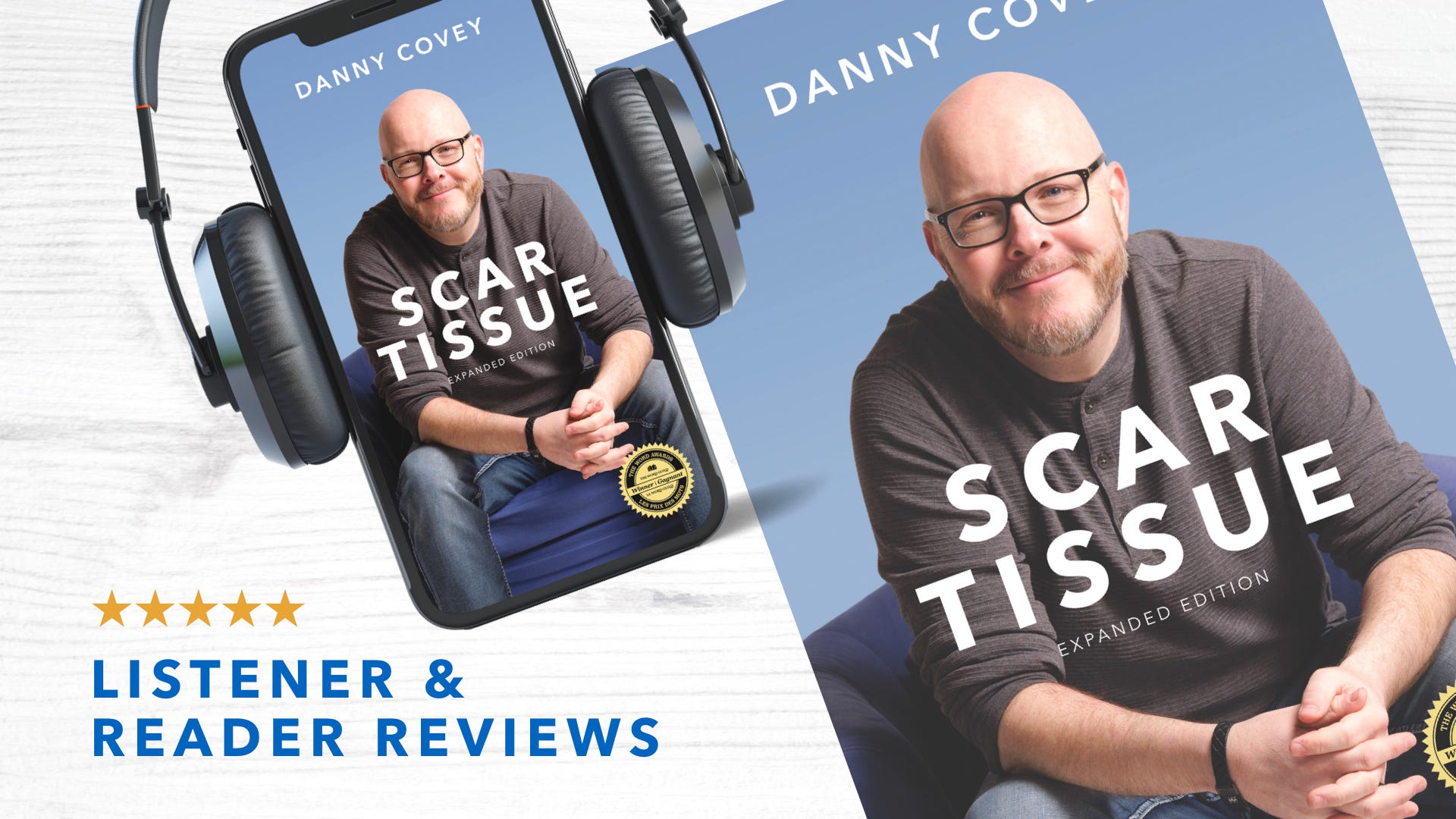
Emails like this remind me of the importance of sharing my story…
“I wanted to share with you how much your book has meant to me. After undergoing several emergency surgeries last year, I faced an uncertain recovery and was given a dire prognosis. Your story and perspective on suffering, scars, and God’s presence in it all was incredibly impactful. Your book truly became my survival guide, and I’m so grateful you shared it.” —L.D.

Dear Pain. My name is Chisel. Trust me…I am worth the pain!
Oh hello Chisel! My name is Pain. I trust you. Chisel is my middle name!
Redemption is a beautiful enigma.